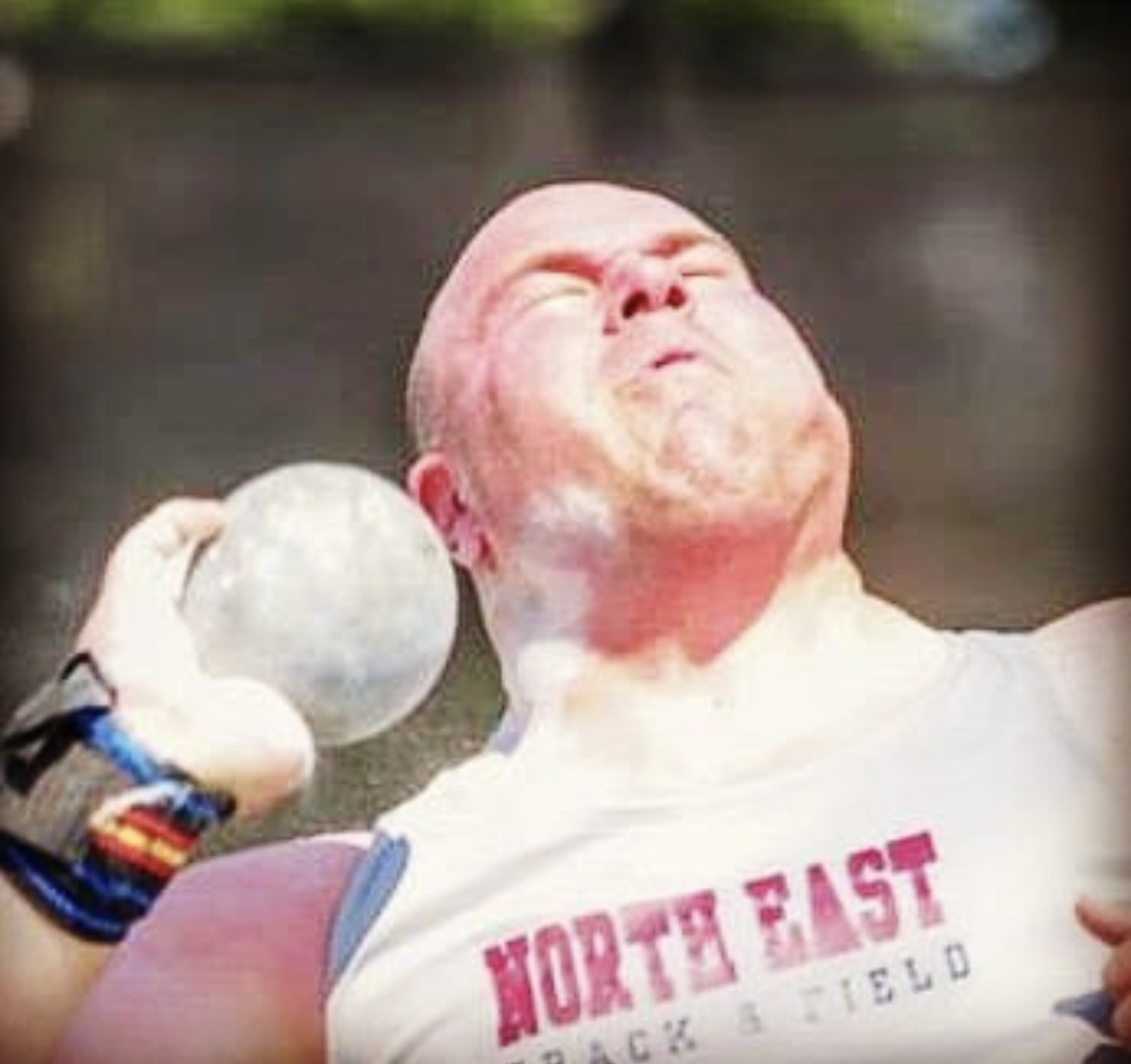
Before I became a coach, I was an athlete. I experienced personal records, pressure, technical changes, strong performances, disappointing meets, and the constant challenge of trying to improve. Each stage of my athletic career taught me something different—and those lessons continue to shape the way I coach today.
Trust the process
One of the most important lessons I learned was to trust the process. Goals and expectations matter. They give athletes direction, create purpose, and help measure progress. But the daily work—how you practice, how you respond to setbacks, and how consistently you prepare—is what makes those goals possible.
Development in the throwing events is rarely a straight line. A technical change may feel uncomfortable before it becomes effective. A better movement pattern may be taking shape even before it appears in the competition result. Athletes need ambitious goals, but they also need the patience to let good work accumulate.
Goals provide direction. The process builds the athlete who can reach them.
Learning to stay present
As a high-school athlete, I focused mostly on the present: the current season, the next practice, and the next meet. That focus helped me compete without carrying the weight of every future possibility into the circle.
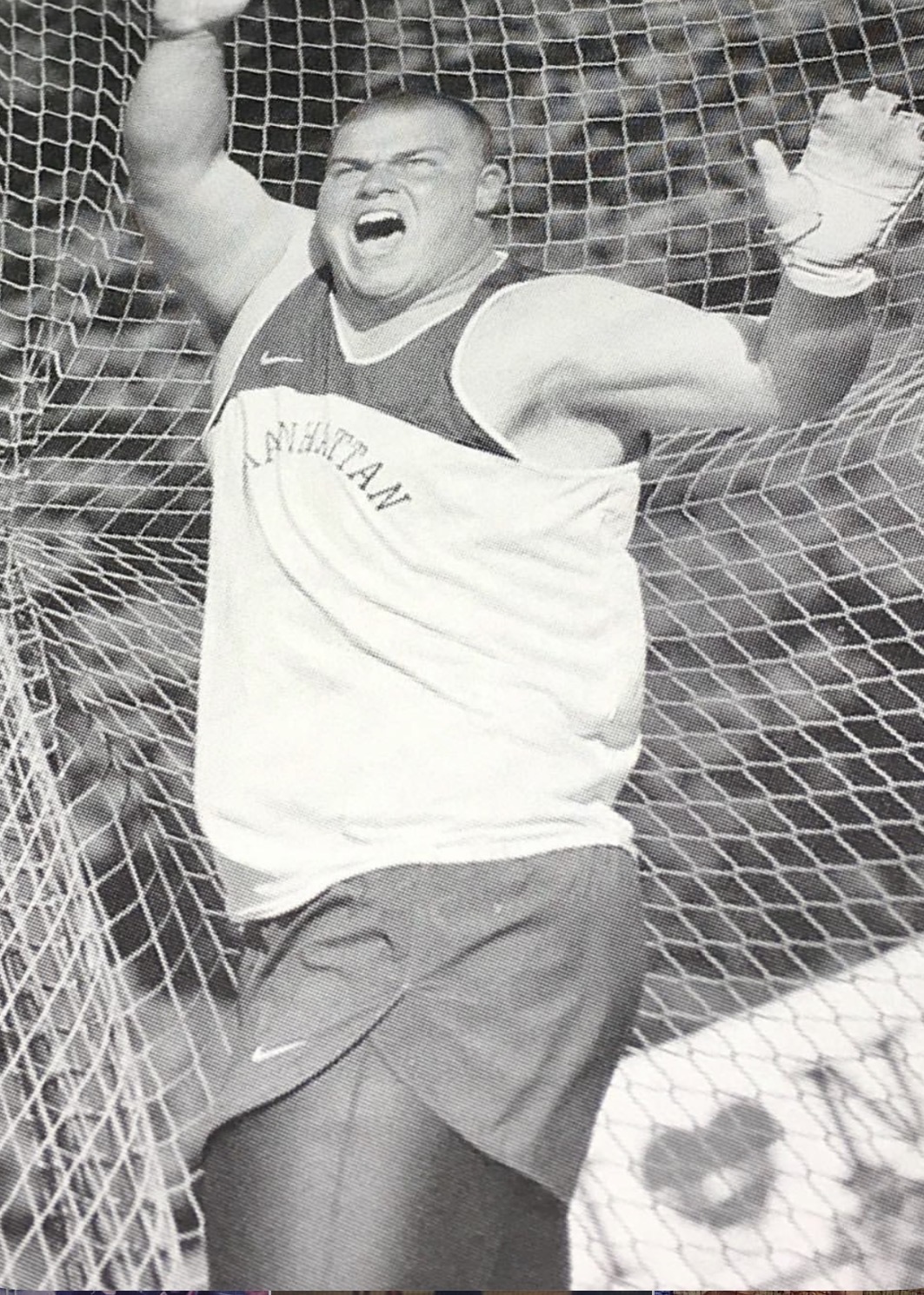
In college, I sometimes became too focused on outcomes and the future. Instead of allowing practice to be a place to learn, I could make every repetition feel like a test. Instead of simply competing, I could become too aware of what a result might mean.
That experience taught me an important distinction. Goals should give an athlete direction, but they should not become a distraction. The athlete still has to return to the present—to the cue, the rhythm, the position, and the throw that is happening now.
Mechanics over power
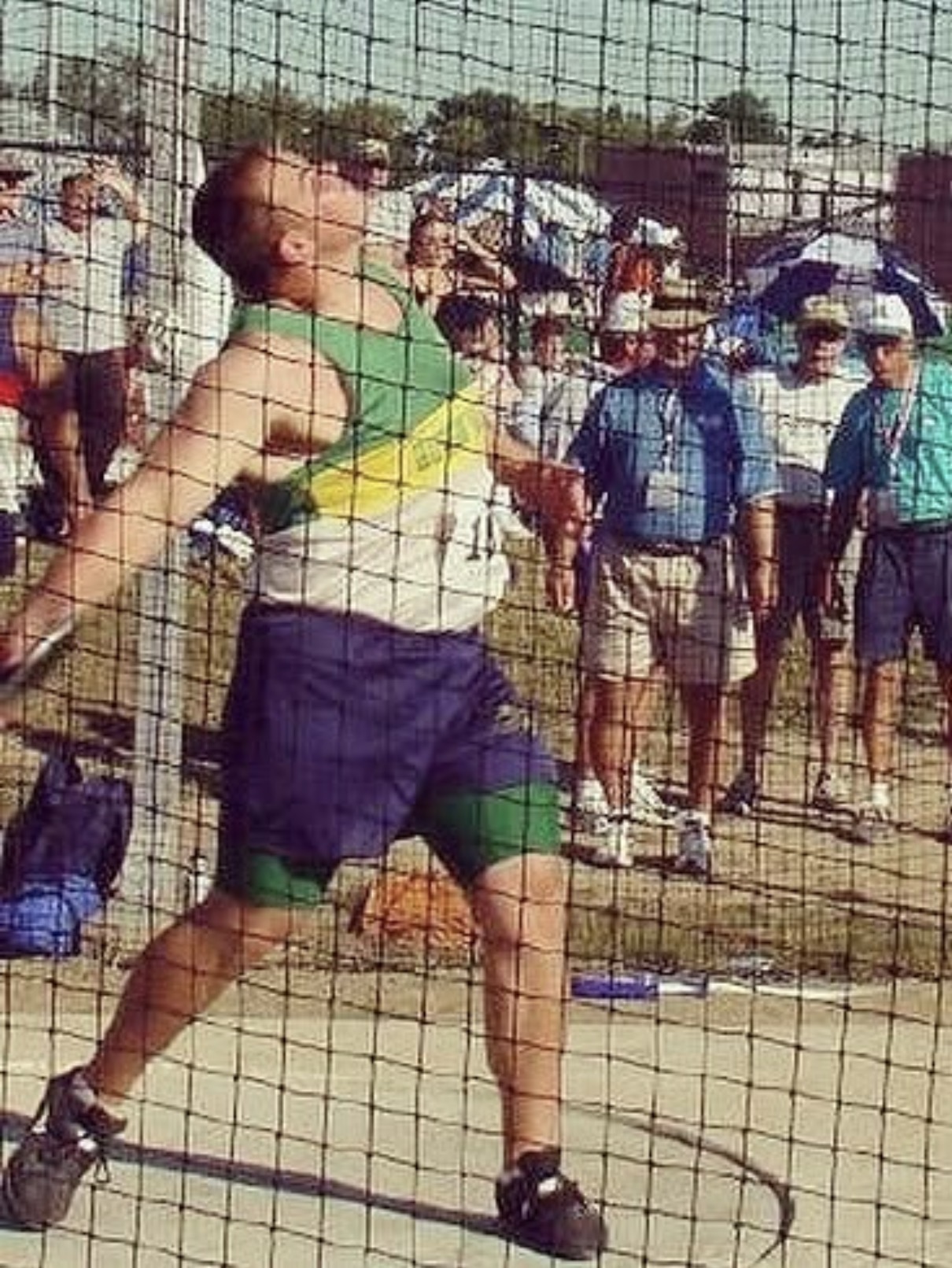
My masters career changed the way I understood performance. I had become much weaker than I was earlier in my career, yet I was able to produce similar results. That made the value of mechanics impossible to ignore.
Strength matters in the throws, but strength alone does not guarantee distance. Balance, rhythm, sequencing, timing, and the ability to transfer force into the implement determine how much of an athlete’s physical ability actually reaches the throw.
That lesson guides my coaching today. The goal is not always to produce more force. Often, the first priority is helping the athlete use the force they already have more effectively.
Experience is a guide, not a template
An athletic career gives a coach perspective, but it does not provide a universal template. What worked for me will not automatically be the right solution for every athlete. Coaching requires using experience as a guide while remaining open to what the individual athlete needs.
My coaching has continued to evolve over time. Working with groups of 20 to 25 athletes made one limitation especially clear: general coaching concepts alone did not produce the results I wanted. Every athlete could hear the same explanation, perform the same drill, and respond in a different way.
That experience improved my coaching because it forced me to individualize within a larger system. Athletes can share a practice structure and technical principles, but each still needs the correction, cue, progression, and level of feedback that fits the athlete in front of me.
- Teach clear principles across the group.
- Identify the priority that matters most for each athlete.
- Choose cues the individual can understand and feel.
- Adjust the progression when the athlete’s response demands it.
Evaluate the performance—do not blame the athlete
When an athlete performs poorly, my first step is to look at the training from the week before the meet. Was the volume appropriate? Was the athlete prepared technically? Did practice build confidence, or did it create fatigue and uncertainty?
From there, I examine how the athlete prepared at the meet, from the warm-up through the competition itself. Did the warm-up create the right rhythm? Did the athlete stay present? Were the competition cues simple and familiar? Did the athlete respond to pressure differently than expected?
A poor performance should become information. The goal is to learn what influenced the outcome and create a more effective strategy for the next competition. That process is more useful than blame, and it helps both the athlete and the coach improve.
The result is not only a judgment of the athlete. It is feedback about the preparation, the plan, and the coaching.
Building confidence through clarity
I want athletes to feel confident in their technique and to believe in themselves. Confidence is not created by telling an athlete to be confident. It grows when the athlete understands what to do, has practiced it with purpose, and has evidence that the work is moving in the right direction.
A clear technical priority helps. Simple cues help. Drills that connect to the complete throw help. Realistic goals help. Learning from missed attempts without treating every mistake as a failure helps.
When athletes understand their movement and trust their preparation, they enter the circle with a stronger sense of control. That confidence gives them the freedom to compete rather than overthink.
The coach I continue to become
My high-school career taught me the value of being present. My collegiate career showed me what can happen when future outcomes become too important. My masters career reinforced the power of sound mechanics. Coaching large groups taught me that principles must be individualized to produce the best results.
Coaching, like athletic development, is never finished. It requires reflection, adjustment, and the willingness to keep learning.
Set meaningful goals. Trust the process. Stay present. Learn from every performance. Build confidence through preparation. Most importantly, coach the athlete—not simply the event.