
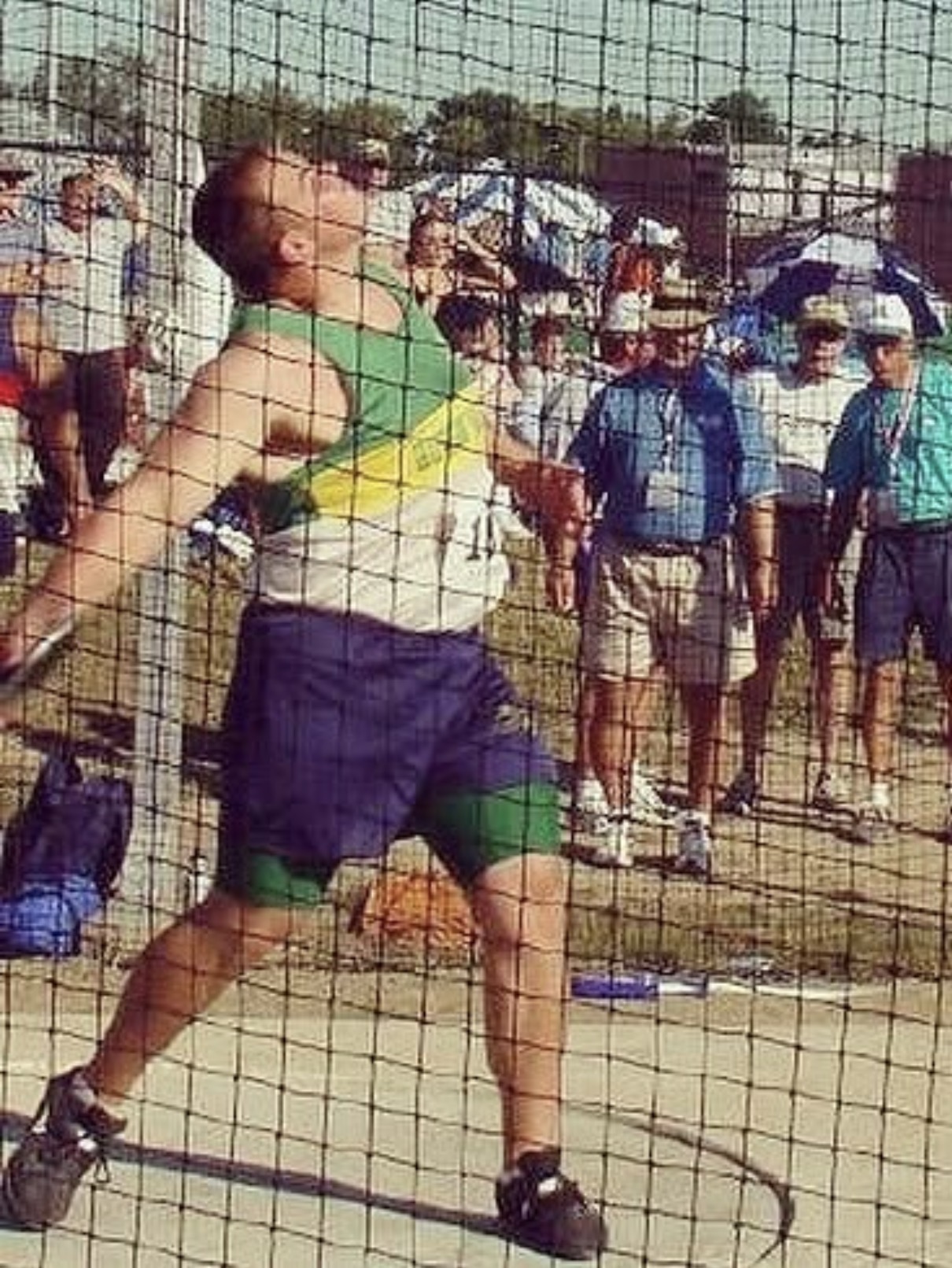
Every thrower wants to throw farther, and intensity is part of the event. But intensity only helps when the athlete can organize it. A technically sound throw performed at a controllable speed gives the athlete something that can be repeated, evaluated, and improved.
Young and developing athletes often believe the answer is to try harder. They rush the entry, attack the middle, pull with the upper body, or reach the finish before the lower body has created anything to transfer. The effort is real, but the movement loses its order.
Speed should strengthen the pattern—not replace it.
Consistency does not mean every throw looks identical
A throw is a fast, complex movement. Small differences will always exist from one attempt to the next. The goal is not robotic sameness. The goal is a stable framework: recognizable positions, dependable rhythm, and a technical priority the athlete can reproduce under different levels of speed and pressure.
For one athlete, that framework may begin with balance through the back of the circle. For another, it may be keeping the implement back while the hips move first. A third athlete may need to finish against a more stable block. The priority must reflect what is limiting that individual thrower.
- The athlete begins from the same organized setup.
- The lower body consistently starts the movement.
- The implement follows a predictable path.
- The thrower can hold or control the finish.
- The athlete can describe what changed when a repetition feels different.
Build the throw in layers
I like to move from a controlled version of the skill toward the complete competitive movement. The progression should keep the technical demand clear while gradually adding speed and complexity.
1. Establish the position
Use a static setup, rehearsal, or freeze to help the athlete recognize balance, posture, and implement position. The athlete should know where pressure is felt and what must remain relaxed.
2. Connect the movement
Add one transition at a time. A step-in, half-turn, or controlled entry can connect the position to the next action without forcing the athlete to solve the entire throw at once.
3. Add the release
Allow the athlete to finish the drill and release the implement while preserving the same priority. The release should be the result of the sequence—not a separate arm action added at the end.
4. Return to the complete throw
Drills matter only when their lesson transfers. After several quality drill repetitions, return to the full technique and ask the athlete to keep the same feeling with slightly greater speed.
Control the movement. Confirm the feeling. Add speed without losing the priority.
Coach one priority long enough to create learning
When a coach changes the cue after every attempt, the athlete spends practice reacting to instructions instead of learning the movement. Choose the correction with the greatest potential return and give the athlete enough repetitions to explore it.
Feedback does not have to follow every throw. Allowing an athlete to evaluate an attempt before hearing the coach builds awareness and ownership. Ask what the athlete felt, compare that response with what you observed, and then offer one useful direction for the next repetition.
- 2–3 slow rehearsals of the primary position.
- 4 controlled drill repetitions using one cue.
- A short athlete-led review: “What did you feel?”
- 3–5 complete throws at controlled intensity.
- One final repetition with greater competitive intent if the pattern remains organized.
Use misses as information
A poor throw is not proof that the athlete has failed. It is information. First look at the preparation leading into the session or meet. Consider the week’s workload, sleep, soreness, emotional state, warm-up, and the timing of the competition. Then examine where the throw first departed from the intended pattern.
The visible mistake at release may have started much earlier. A late block can result from an unbalanced entry. A rushed upper body can begin with poor posture or an athlete who never established pressure against the ground. Evaluation should lead to a next step, not simply a list of faults.
Confidence comes from evidence
Athletes become confident when they can connect preparation to performance. They know the cue that helps them, the drill that restores the feeling, and the process they can return to after a poor attempt. That knowledge makes confidence more durable than emotion alone.
In competition, the athlete does not need a last-minute technical overhaul. The athlete needs a familiar routine, one clear priority, and trust in the repetitions completed during training.
Build the movement before demanding maximum speed. Protect the athlete’s most important technical priority, let repetition create understanding, and increase intensity only when the throw can hold its shape. Consistency is not the end of development—it is the platform that allows performance to grow.